The Psychology of Gambling: Why Americans Play
You’re not going to understand gambling by staring at numbers on a spreadsheet or quoting payout percentages. That’s rookie logic. If you want to know why Americans gamble, you’ve got to dig under the felt, into the wiring of the human psyche. Over the years, I’ve seen folks walk into a casino dead set on watching a friend play and wind up at a slot machine an hour later, chasing a dream they didn’t even know they had. It’s not just about odds — it’s emotion, identity, routine, and sometimes plain old misdirection. Games like Wild Turkey are designed to capture this emotional response.
The Thrill of Uncertainty and the Illusion of Control
One of the most misunderstood elements behind why people gamble is the psychological high that comes from uncertainty. Our brains are wired to light up when faced with unknown outcomes. This isn’t a flaw—it’s evolutionary chemistry. Risk activates the mesolimbic dopamine system, the part of the brain associated with reward processing. It doesn’t even matter if the win is real or anticipated; the mere chance is enough to keep someone hooked to a game. Most amateurs think losses chase players away. Nope. It’s the near-miss that keeps them coming back.
Identity and Ritual Inside American Gambling Culture
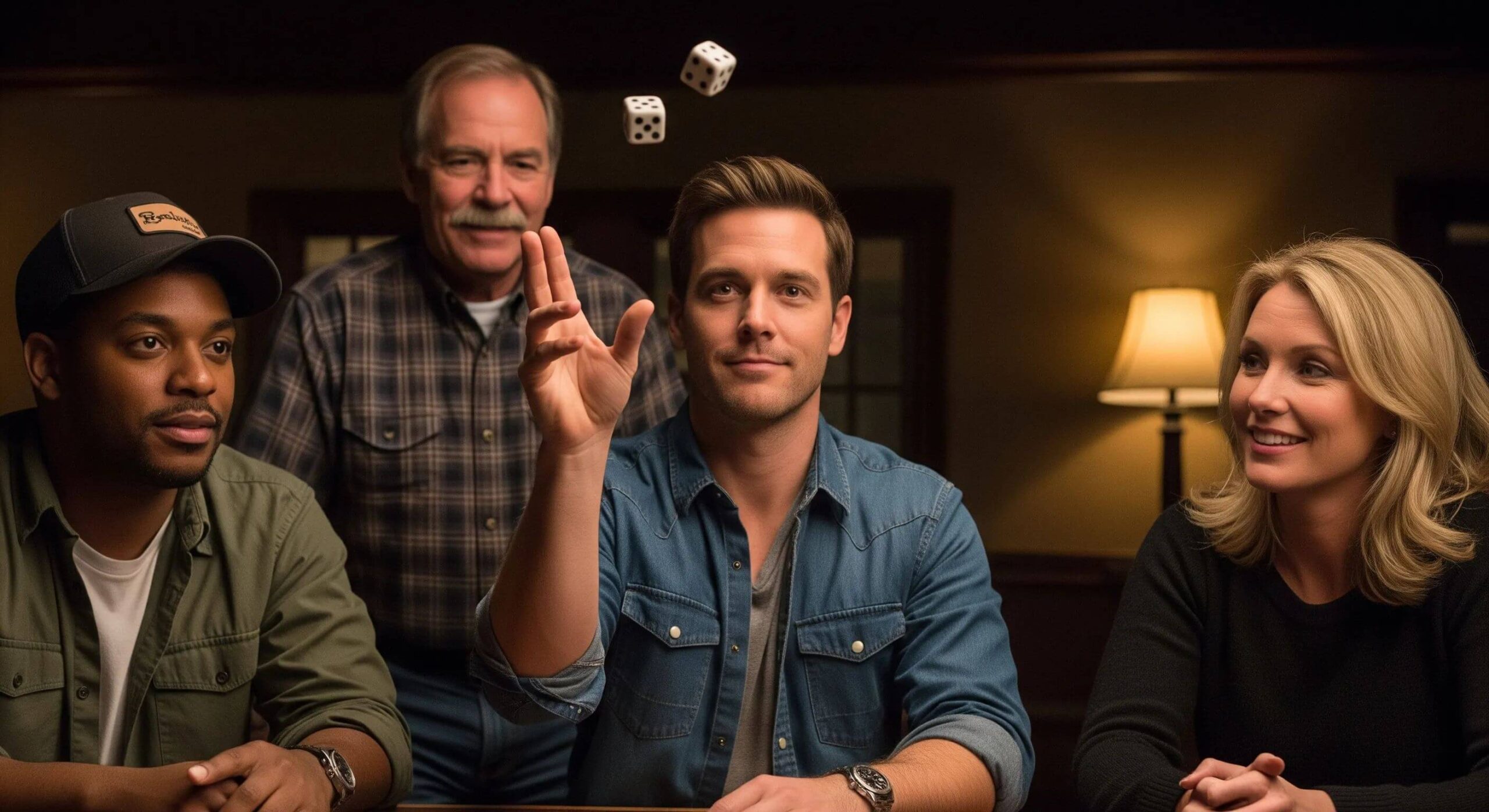
Americans often frame gambling as entertainment, but scratch the surface, and you’ll uncover ritual. For many folks, especially in places like Reno or Biloxi, the weekly trip to the casino floor isn’t just about winning money; it’s a social ceremony. Same seat at the poker table. Same buffet plate. Same waitress who brings their scotch on the rocks at 7 p.m. sharp. In fact, I’ve seen players get visibly shaken when their favorite machine—let’s say an old favorite like Eagle’s Wings—is occupied.
Gambling Environments Are Engineered to Trigger Behavior
Don’t underestimate the role of environment. When you step onto a casino floor, you’re not in a random layout. Everything is deliberate — from the temperature, to the lighting, even down to the subtle scents pumped through the air ducts. Analysis of land-based casinos in America shows that floor layout funnels foot traffic toward specific machines; high-volatility slots are magnetized to entrances.
Instant Gratification and the Chase of Past Wins
Another core driver is the infamous impulse loop. In gambling, rewards are often immediate — a flash of lights, bells going off, maybe even coins dropping if you’re on an older machine. And players don’t just chase big wins — they chase “moments.” I remember a Vietnam vet who came into the casino every Thursday because 15 years ago, that’s when he hit $32,000 on the nose.
The Unseen Cost of Cognitive Biases
Despite all the talk about skill and systems, most gamblers — especially newer ones — fall victim to a stack of cognitive traps. The Gambler’s Fallacy leads you to believe a win is “due” after a series of losses. Machines on the casino floor are designed to keep you engaged.
Social Proof and Peer Reinforcement
No discussion about the why would be complete without looking at social dynamics. When someone near you hits a jackpot – even if it’s on another machine – it gives a dopamine bump to everyone in earshot. Slots are lined up that way on purpose. And when a table cheers on a big blackjack win or craps roll, the group gets drawn in.
Final Thoughts: Gambling Is More Than a Game of Chance
What most people get wrong is thinking of gambling purely through the lens of percentages and probability. Sure, house edge matters. But it’s not the full deck. Gambling, at its core, taps ancient psychological levers — risk, reward, identity, status, and belief. If you strip away the math and look at the human behind the bet, you’ll see that it’s rarely just about money. It’s about what the money means. Is it freedom? Redemption? Validation?
There’s beauty and danger in that. The beauty is you can design environments and games that respect and entertain without manipulating. The danger lies in forgetting that at the end of every hand, spin or roll, there’s a brain trying its best to win at a system it often doesn’t fully understand. As someone who’s watched decades of play across dark-lit casinos and high-limit rooms, I’ll tell you this: respect the psychology, or it’ll play you harder than any dealer ever could.